Infuse Irish Charm into Every Design with Lucky Montage
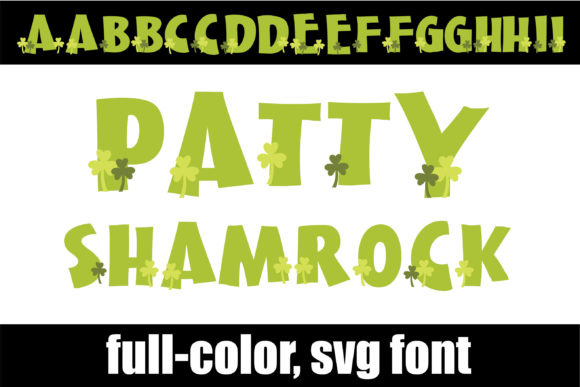
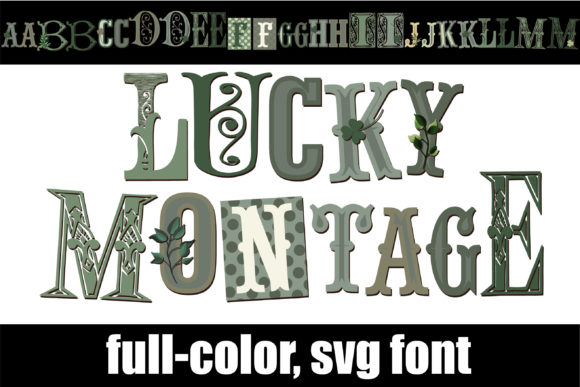
Finding a typeface that genuinely captures a specific mood—like the warmth of a celebration or the luck of the Irish—can be a game-changer for your creative projects. If you’re looking to break away from standard sans-serifs and inject some personality into your work, Lucky Montage offers a distinct solution. This isn't just another green font; it is a full-color OpenType SVG typeface that brings a vibrant, multi-tonal aesthetic to your typography. Featuring a unique mix of lettering styles and decorative shamrock accents, it allows you to create headlines and logos that feel festive and polished without spending hours in Adobe Illustrator manually adding vector details.
Understanding the Power of Color Fonts
For many designers and small business owners, the term "color font" or "SVG font" might still be relatively new. Unlike traditional fonts that rely on a single flat color (which you change manually), a premium font like Lucky Montage contains actual graphical data. This means the green gradients, textures, and shamrock details are baked right into the font file. When you type, you are essentially placing a tiny vector illustration on your canvas. This technology, known as OpenType full-color (SVG), allows for a level of realism and depth that was previously impossible with standard typography.
The practical benefit here is massive for efficiency. Instead of treating text as a text layer and then expanding it to shapes, outlining it, and applying complex gradients, you simply select the font and type. This makes it an incredibly valuable design asset for content creators who need to produce high-quality visuals quickly. Whether you are designing a social media post for St. Patrick’s Day or creating a logo for a pub, the visual impact is immediate.
Practical Applications for Branding and Marketing
When it comes to visual communication, consistency is key, but so is standing out. Lucky Montage serves as a fantastic display font. Because it is so visually dense and detailed, it is best suited for headlines, sub-headlines, and logos rather than body copy. Imagine using this typeface for a bakery specializing in themed cupcakes; the font instantly communicates the theme before the customer even reads the menu. It is equally effective for merchandise design—think t-shirts, tote bags, and mugs—where bold graphics are necessary to catch the eye from a distance.
For digital marketers and bloggers, this font offers a way to create "thumb-stopping" graphics. On platforms like Instagram or Pinterest, where visual hierarchy dictates engagement, using a distinct typeface for your main hook can significantly boost click-through rates. It works beautifully for:
- Event Invitations: Weddings, galas, or community events with a Celtic theme.
- Editorial Layouts: Magazine headers or blog post titles that need a festive flair.
- Packaging Design: Labels for food, beverage, or craft products where "handmade" or "traditional" vibes are desired.
- Website Banners: Hero sections for seasonal sales or landing pages.
Technical Compatibility and Installation
One of the most common hurdles with creative fonts is software compatibility. Because Lucky Montage utilizes the SVG format to maintain its full-color appearance, it behaves differently than a standard serif font or sans serif font. It is installed just like any normal .OTF file—via FontBook on a Mac or the Control Panel/Settings on Windows. However, you must ensure your design software supports the OpenType SVG format to see the colors.
Major players in the industry have embraced this technology. If you are using Adobe Photoshop, Illustrator, InDesign, QuarkXPress, Silhouette Studio (Designer Edition or higher), or Inkscape, you should be able to access the full-color glyphs. It is important to note a specific behavior: in many programs, the font might appear black in the preview window or character selection menu. Do not be alarmed. Once you click and type on your document canvas, the colors will render. If you are using an older version of software or a program that does not support color fonts, the system will usually fall back to rendering a standard black version of the font, ensuring your text is still readable even if the color is missing.
Maximizing Your Design with Glyphs and Swashes
A standout feature of this typeface is that it is PUA (Private Use Areas) encoded. For the non-technical designer, this is a massive advantage. It means that every single alternate character, swash, and glyph variation included in the font package is accessible, regardless of what software you are using. You don't need to be an expert in navigating the OpenType panels in Adobe Illustrator to find the cool extras.
Instead, you can use your system’s standard Character Map (Windows) or FontBook (Mac) to view all available characters. This is particularly useful for typography customization. Perhaps you want a specific letter "L" that has a more elaborate shamrock swirl, or you want to swap out a standard "s" for a stylistic alternative to make your logo more unique. This flexibility allows you to fine-tune your visual identity. It encourages experimentation with font pairing as well; while Lucky Montage is a showstopper, it pairs beautifully with clean, modern sans-serifs or rustic handwritten fonts to balance the composition.
Strategic Considerations for Visual Consistency
While it is tempting to use a vibrant font everywhere, professional design requires restraint. To improve brand recognition and readability, consider using Lucky Montage strictly for high-impact elements. Use it for your primary logo lockup or your main sale announcement. For supporting text, such as product descriptions or "terms and conditions," switch to a highly legible sans-serif or serif font.
This approach creates a visual hierarchy. The eye is naturally drawn to the colorful, detailed display font first, absorbing the main message, and then flows easily into the cleaner body text for the details. This not only looks professional but also ensures that your audience engages with your content without feeling visually fatigued. Before finalizing your commercial project, always test the font in the specific environment where it will be viewed—print proofs can look different from screens, and web rendering can vary by browser, though SVG fonts are generally well-supported in modern web environments.
Ultimately, having a high-quality typeface like this in your toolkit allows you to quickly adapt to seasonal trends and specific branding needs. It bridges the gap between complex illustration and standard typography, giving you the best of both worlds: the visual richness of a graphic asset with the editable ease of a font.