Bringing Youthful Energy to Your Designs with Mccolor Pencil
There’s a particular kind of nostalgia that comes with crayons—the smell of a fresh box, the satisfaction of coloring outside the lines, and the uncomplicated joy of filling a page with color. For designers, entrepreneurs, and content creators, capturing that feeling in a professional project can be tricky. You want playfulness without looking childish, warmth without sacrificing clarity. That’s where a thoughtfully crafted creative font like Mccolor Pencil comes into the conversation.
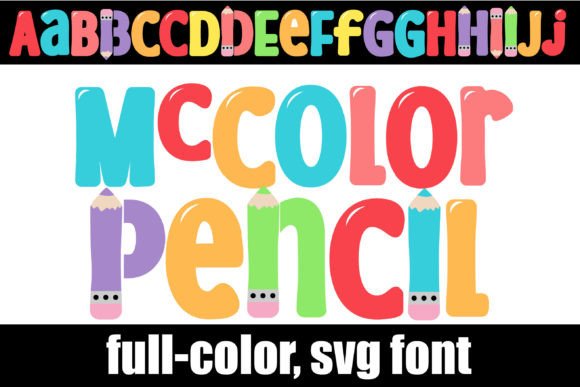
This isn’t just another handwritten typeface. Mccolor Pencil is a full-color, OpenType SVG font that mimics the look of crayon lettering in a palette of soft spring and pastel colors. The letters feel hand-drawn, with that slightly uneven texture you’d get from pressing a crayon to paper. But what sets it apart is the color itself—each glyph is rendered in multiple hues, so your text arrives looking like it was colored in by hand. There’s even an alternate version accessible through your system’s character map, offering additional color variations for every letter, which gives you surprising flexibility for a font that feels so specific.
A Font with Personality: More Than Just Pretty Letters
Visual personality is currency in branding and design. A font like Mccolor Pencil doesn’t just communicate words; it communicates a mood. The youthful, crayon-inspired aesthetic immediately signals creativity, approachability, and a sense of fun. This makes it particularly effective for projects targeting families, children, education, wellness, lifestyle brands, or any business that wants to feel friendly and human.
Think about a small business selling handmade children’s clothing. Using Mccolor Pencil for their logo or product tags instantly creates a cohesive, playful brand identity that resonates with their audience. Or consider a blogger focusing on DIY crafts or parenting tips—the font’s style aligns perfectly with their content’s tone, making their graphics feel more authentic and engaging.
Practical Applications: Where This Font Truly Shines
The real value of any design asset lies in its versatility. While Mccolor Pencil has a distinct style, its applications are broader than you might initially think.
Branding and Logo Design: For brands in the creative, educational, or lifestyle space, this font can form the core of a memorable logo. It works exceptionally well for wordmarks where the typography itself is the hero. Pair it with a simple, clean sans-serif font for body text to maintain readability while letting the display font capture attention.
Packaging and Merchandise: On product packaging—think artisanal snacks, stationery, or craft supplies—the font adds a handmade, artisanal quality. It’s also fantastic for merchandise like t-shirts, tote bags, and mugs, where a bold, colorful statement is desired.
Digital Presence: Social media graphics are where color fonts can really pop. Instagram stories, Facebook posts, Pinterest pins, and YouTube thumbnails using Mccolor Pencil can stop the scroll with their vibrant, eye-catching look. It’s equally effective for website headers, blog titles, and digital product covers (like e-books or online course graphics), helping to establish a consistent and inviting visual brand online.
Print and Editorial: Don’t overlook print. Posters, flyers, invitation cards for birthday parties or baby showers, and editorial layouts for magazines or newsletters aimed at a younger demographic can all benefit from its cheerful aesthetic. The key is using it strategically for headlines, pull quotes, or accent text rather than for long paragraphs.
Technical Know-How: Making the Most of a Color Font
Using a premium font like this requires a bit of technical awareness. First, installation is standard—it’s an .otf file installed via FontBook on a Mac or your preferred font manager on Windows. However, its full-color magic only appears in programs that support OpenType SVG fonts.
Major design software like Adobe Illustrator, Photoshop, InDesign, Silhouette Studio, Quark, and Inkscape support this technology. You’ll know it’s working when you type and see the colors rendered directly in your document. In non-compatible programs, the font will simply appear as black outlines. A common point of confusion is that even in supporting software, the font might appear black in the font selection preview window—always test it by actually typing on your canvas.
Pairing and Professional Presentation
A creative font is a powerful tool, but its effectiveness multiplies when used thoughtfully within a typographic hierarchy. Mccolor Pencil is a display font, meaning it’s designed for impact at larger sizes. Using it for body copy would quickly become illegible and overwhelming.
The art of font pairing is about contrast and harmony. Try combining it with a neutral, highly readable serif font like Georgia or a clean sans-serif like Montserrat or Open Sans for your main paragraphs. This creates a visual rhythm that guides the reader’s eye and ensures your message is both seen and understood. For projects requiring a bit more whimsy, pairing it with a simple script font can work, but be cautious—too many decorative fonts compete for attention.
Always test your chosen pairings in context. How does the headline look above a block of body text? Does the color of the font clash with your background image or brand palette? The alternate color versions included with Mccolor Pencil are particularly useful here, allowing you to select the exact hue that complements your overall design scheme.
Considering Your Audience and Goals
Before diving in, ask yourself a few practical questions. Who is this project for? What is the primary emotion or message you need to convey? If your brand is a law firm or a luxury watchmaker, Mccolor Pencil is likely not the right fit. But if you’re a children’s book author, a community yoga studio, a craft brewery with a playful vibe, or a social media influencer focused on positive lifestyle content, it could be exactly what you need to stand out.
Also, consider the practicalities of commercial use. Ensure you have the appropriate license for your intended use, whether it’s for a client project, merchandise for sale, or digital products. Most reputable font licenses cover these uses, but it’s always good practice to check.
In the end, choosing a typeface is about finding a voice. Mccolor Pencil offers a distinct, joyful voice that can make your designs feel more personal, engaging, and memorable. Used with intention and paired wisely, it’s a design asset that can help bridge the gap between professional polish and authentic, human connection.